Key takeaways
- Test your heat in early fall, not on the first cold night.
- Replace the filter and clear vents and registers.
- That first-use burning smell is usually just dust burning off.
- A fall tune-up catches issues while scheduling is easy.
Sacramento winters are mild, but the cold snaps are real, and they always seem to arrive on a weekend. A little preparation in fall means your heat works the first time you need it. Here is a simple checklist.
Quick answer
In early fall, replace the filter, test the heat on a cool day, clear vents and registers, and check the thermostat and batteries. Expect a brief dust-burning smell on first use. Then book a fall tune-up before the first cold snap.
1. Test the heat early
On the first cool day, run the heat for 15 minutes. Confirm warm air, even heating across rooms, and no unusual noises. Finding a problem in October is far easier than during a December cold snap.
2. Replace the filter
Your filter has worked all summer. A fresh one improves airflow and efficiency for the heating season. See our filter schedule.
3. Clear vents and registers
Move furniture, rugs, and curtains away from supply and return vents so warm air circulates freely. Blocked vents waste energy and create cold spots.
4. Expect a brief burning smell
Dust settles on the heat exchanger over summer, so the first heating cycle often smells faintly of burning. It should clear within an hour. If it lingers or smells electrical, see our furnace smell guide.
5. Schedule a fall tune-up
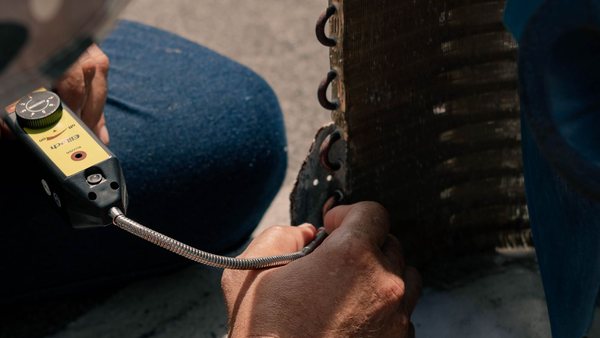
A technician inspects the heat exchanger, tests safety controls, checks the igniter and flame sensor, and confirms everything is ready for winter, including a carbon monoxide safety check.
Get ready for winter
Book a fall heating tune-up and know your system will be ready when the cold arrives.