Key takeaways
- A tune-up is a multi-point inspection, not just a quick look.
- Coil cleaning and refrigerant checks restore lost efficiency.
- Electrical testing catches failing parts before they strand you.
- The result is lower bills and fewer surprise breakdowns.
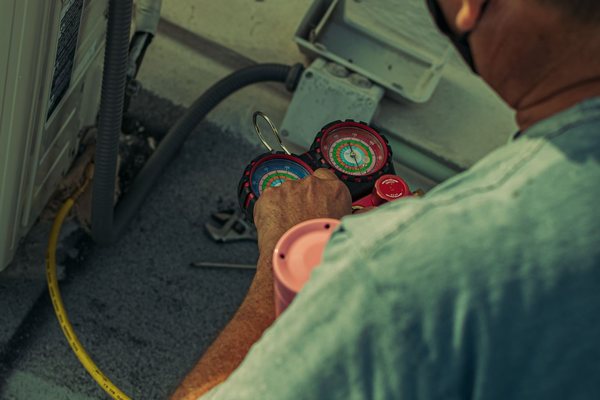
People often wonder what they are actually paying for with a tune-up. It is far more than a glance at the unit. Here is the checklist a Kenyon & Sons technician works through, and why each item matters.
Quick answer
A proper AC tune-up includes cleaning the coils, checking refrigerant levels, testing electrical components and the capacitor, clearing the condensate drain, inspecting the blower, and verifying thermostat operation. Together these restore efficiency and prevent the most common summer breakdowns.
Cleaning the coils
Dirty condenser and evaporator coils are one of the biggest drains on efficiency. Cleaning them helps the system release and absorb heat properly, lowering run time and bills.
Checking refrigerant
The technician verifies the charge is correct. Low refrigerant signals a leak and causes weak cooling and frozen coils, see our freezing AC guide.
Testing electrical components
Capacitors, contactors, and wiring are inspected and tested. A weak capacitor is cheap to replace during a tune-up but causes a no-cool failure if it dies in July.
Clearing the condensate drain
The drain line is flushed so it does not clog and overflow mid-summer, a common cause of indoor leaks, see our AC leak guide.
Final checks
The blower, airflow, and thermostat are verified, and the system is run through a full cycle to confirm everything works together before the heat arrives.
Time for a tune-up?
Get the full multi-point service and head into summer with a system you can trust.