Key takeaways
- Upgrade to a MERV 13 filter if your system can handle it, to capture fine smoke particles.
- Run the fan on recirculate, do not pull in outside air during heavy smoke.
- A whole-house air purifier adds serious protection during fire season.
- Seal leaks so smoke has fewer ways in.
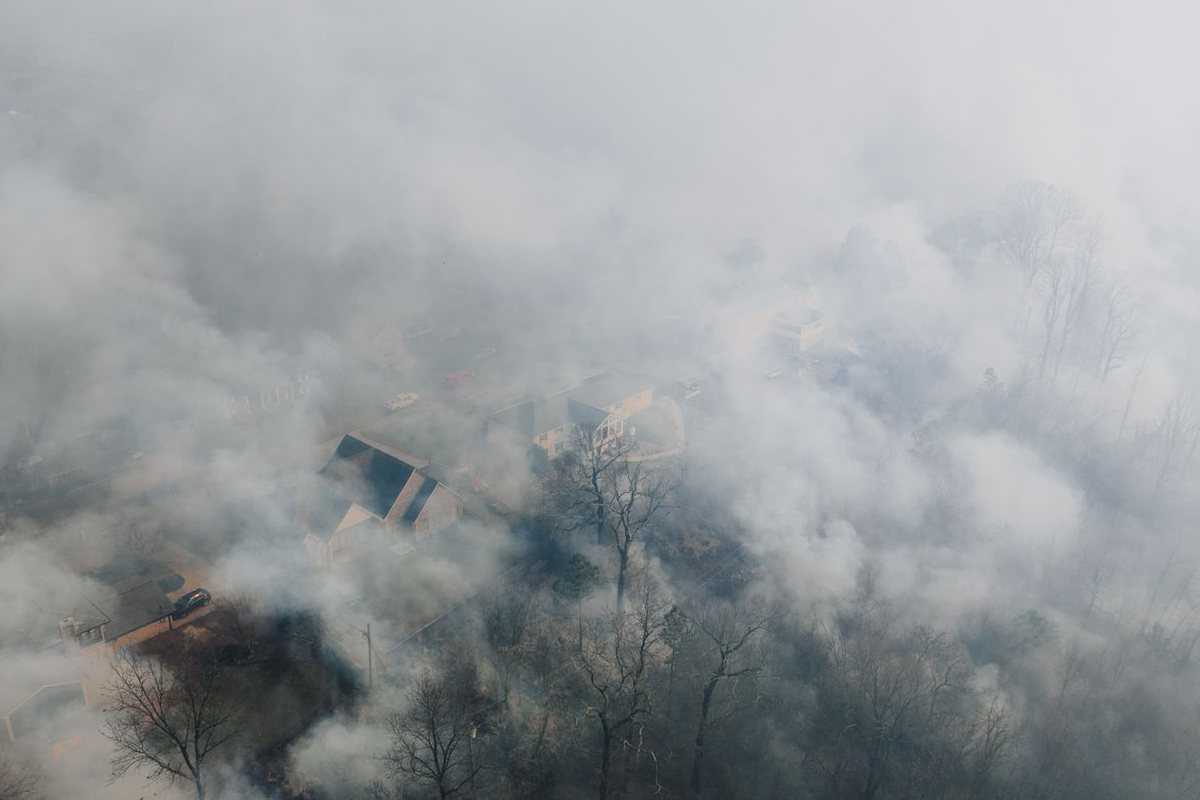
Late-summer wildfire smoke is now a regular part of Sacramento life, and it does not stay outside. Your HVAC system is your first line of defense for keeping indoor air breathable. Here is how to use it well.
Quick answer
During wildfire smoke, run your system's fan to keep air filtering, upgrade to a MERV 13 filter if your system allows, set it to recirculate rather than draw in outside air, seal gaps around doors and windows, and consider a whole-house air purifier for the strongest protection.
Use a high-MERV filter
Smoke particles are tiny, so a basic filter misses most of them. A MERV 13 filter captures fine particulate far better. Confirm your system can handle MERV 13 first, since it restricts airflow more, see our filter rating guide.
Keep air recirculating
Run the system fan so household air keeps passing through the filter. Make sure any fresh-air intake is closed during heavy smoke so you are not pulling the smoke indoors.
Consider a whole-house purifier
A whole-house air purification system, installed in the ductwork, removes fine particles and more across the entire home. It is the strongest defense during a bad smoke stretch, see our purifier guide.
Seal the gaps
Weatherstrip doors and windows and seal obvious leaks so smoke has fewer entry points. This also helps your cooling bills the rest of the year.
Breathe easier this fire season
Ask us about high-efficiency filtration and whole-house air purification for your home.