Key takeaways
- Set 78°F at home, higher when away, each degree lower adds 3-5% to the bill.
- Ceiling fans let you raise the thermostat ~4°F comfortably.
- Block west sun and seal leaks to stop fighting the heat.
- An annual tune-up keeps the system efficient all summer.
Elk Grove summers are long and hot, and PG&E bills show it. The good news: most of the biggest savings cost little or nothing. Here are seven moves that actually move the needle.
Quick answer
Set your thermostat to 78°F (higher when out), run ceiling fans, block the afternoon sun, seal duct and door leaks, keep a clean filter, avoid adding heat midday, and get an annual AC tune-up. Together these can cut a summer cooling bill noticeably.
1. Use a smart or programmable thermostat
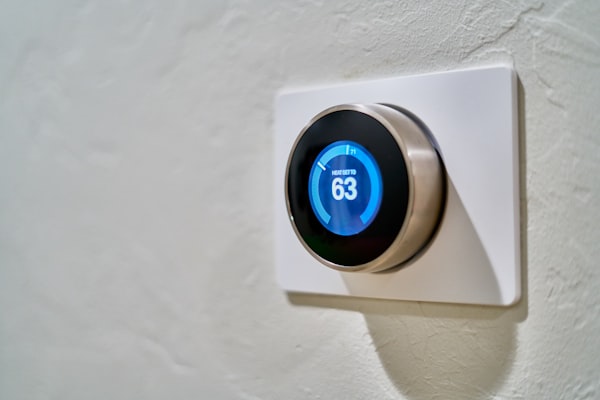
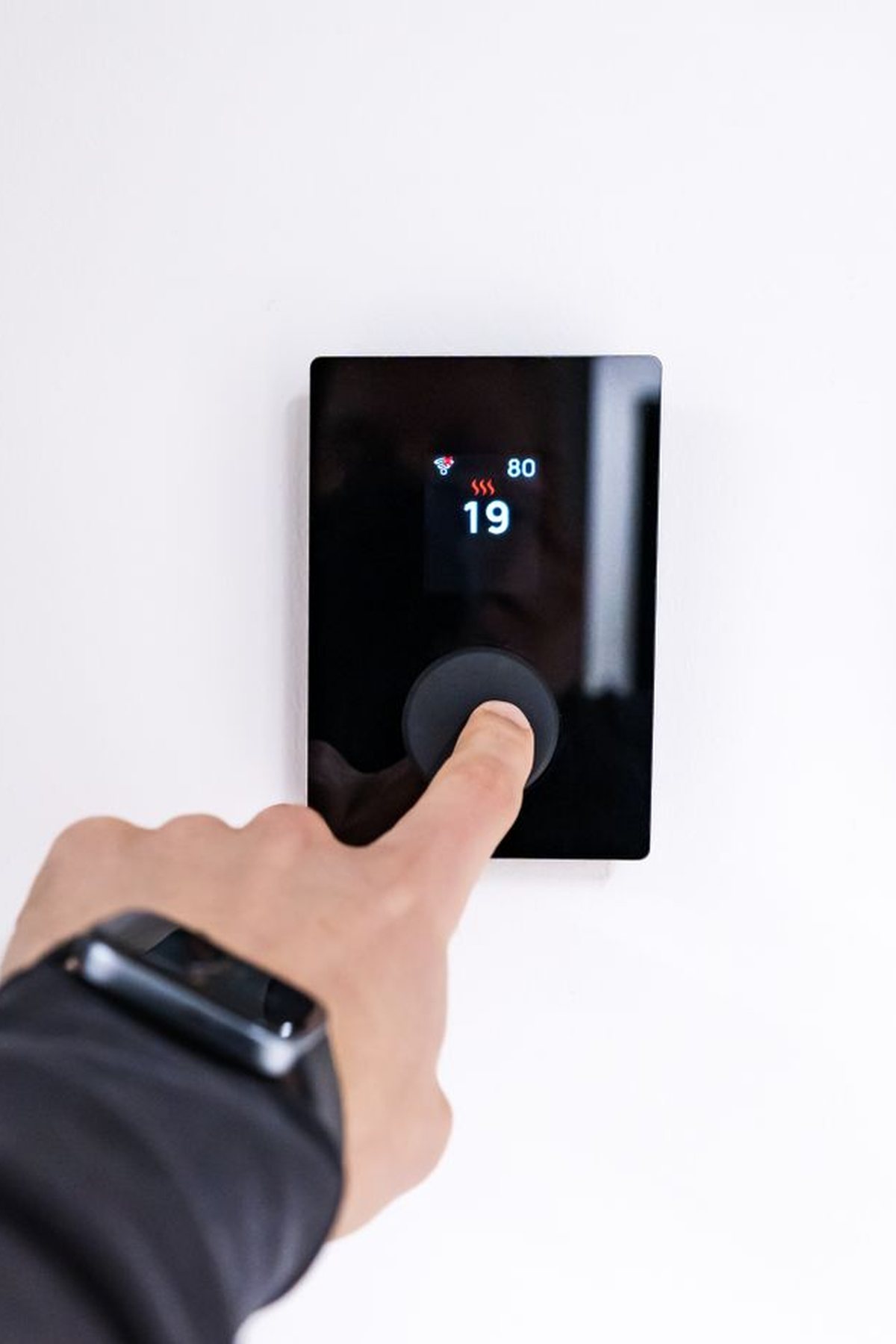
The single biggest lever. Set 78°F when home and let it drift up to 84-85°F while you're at work, a smart thermostat does this automatically and pre-cools before you return. Each degree you lower the setting adds roughly 3-5% to cooling costs.
2. Let ceiling fans do the work
Fans cool people, not rooms, via a wind-chill effect, so you can raise the thermostat about 4°F and feel the same. Just remember to switch them off in empty rooms; a running fan in an empty room only wastes electricity.
3. Block the afternoon sun
- Close blinds and curtains on west- and south-facing windows during the day.
- Consider cellular shades or solar film on the worst windows.
- Long term, shade trees on the west side genuinely cut the load.
4. Seal the leaks you're paying for
Leaky ducts can waste 20-30% of the cool air you paid to produce, and gaps around doors and windows let it escape. Weatherstripping and duct sealing are cheap fixes with a fast payback in our climate.
5. Keep a fresh filter in
A clogged filter forces the system to run longer for the same result. Check it monthly in summer, see our filter schedule guide.
6. Don't add heat at the worst time
Run the oven, dryer, and dishwasher in the early morning or evening, not during the 3-6 p.m. peak. Switch to LED bulbs, which run far cooler than incandescents. Every bit of heat you add is heat your AC has to remove.
7. Get an annual tune-up
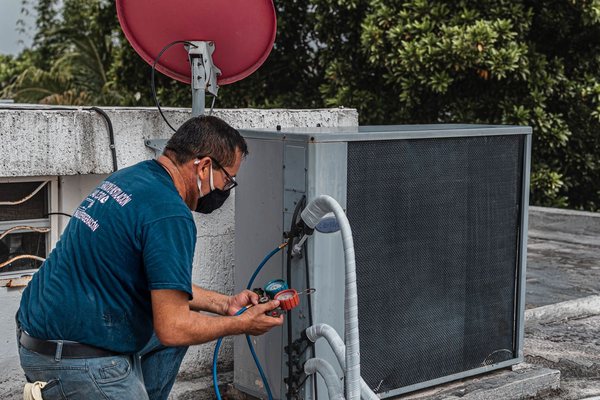
A professional tune-up cleans the coil, checks refrigerant, and confirms the system is running at peak efficiency before the heat hits. It's the difference between an AC that sips power and one that guzzles it.
Ready for an efficient summer?
Book a pre-season AC tune-up and head into the heat with confidence, and a lower bill.